
Alwin Nikolais – Electronic Dance Music, 1966-1989
$3.999
10 cuotas de $399,90 sin interés
Envío Internacional a todo el país Libre de franquicia
Importado por nosotros a demanda. Envío $200.
Cómo funciona la importación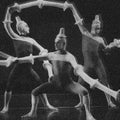
$3.999
10 cuotas de $399,90 sin interés
Datos del disco
- Artista
- Alwin Nikolais
- Álbum
- Electronic Dance Music, 1966-1989
- Sello
- Death Is Not the End
- Año
- 2026
- Formato
- Vinilo LP
- Cantidad de discos
- 2
- Cantidad de canciones
- 21
- Género
- Dance
- Origen
- Estados Unidos
- Número de catálogo
- 130
- Código de barras
- 5050580877221
Tracklist
- Revels: Dance III (1986)
- Ten Legs: Dance I (1989)
- Mechanical Organ: Dance II (1980)
- Mechanical Organ: Dance IV (1980)
- Frail Demons: Dance I (1984)
- Tribe: Dance I (1975)
- Pierrot: Dance II (1986)
- Blank on Blank: Excerpt I (1987)
- Pierrot: Dance III (1986)
- Aviary: Dance I (1978)
- Aviary: Dance II (1978)
- Graph: Overture (1984)
- Chimera: Dance I (1966)
- Styx: Excerpt (1976)
- Gallery: Overture (1978)
- Frail Demons: Dance II (1984)
- Aviary: Dance III (1978)
- Graph: Dance III (1984)
- Contact: Excerpt (1985)
- Blank on Blank: Excerpt II (1987)
- Crucible: Excerpt (1985)
Sobre este disco
Vinilo de Alwin Nikolais: «Electronic Dance Music, 1966-1989» (Death Is Not the End · 2026 · LP).
Often credited as the father of multi-media theatre, Alwin Nikolais (1910-1993) took complete creative control over his productions - including cutting-edge approaches to lighting and costume that transformed human bodies into shifting sculptural shapes, while also composing wildly innovative electronic music as accompaniment. After initially experimenting with musique concrète and tape manipulation (as demonstrated on the 1959 LP Choreosonic Music of the New Dance Theatre of Alwin Nikolais) Nikolais became the first owner of Robert Moog's synthesizer at the Audio Engineering Society convention in New York in late 1964. Relying heavily on the Moog and later the Synclavier synth/sampler, these 21 tracks document Nikolais' highly-prescient compositions across the mid 1960s through to the late 1980s - existing not only as extensions of his other-worldly choreographic pieces, but standalone pieces of foundational mid-century American electronic and experimental music.